
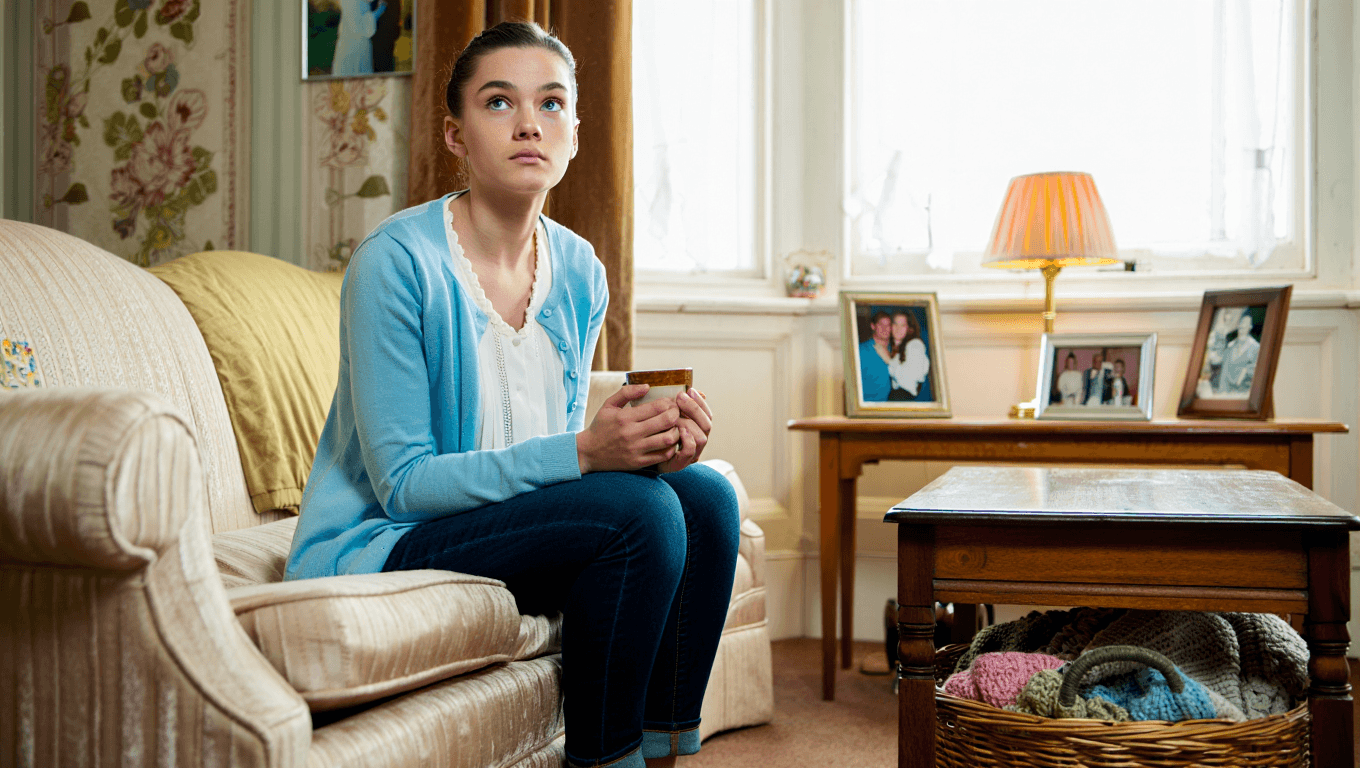
Young people are increasingly turning to the comforts of their elders’ habits and home styles as a counterweight to a fast, uncertain world. This revival of grandmother-inspired décor and pastimes matters because it’s not just nostalgic—it’s shaping what people buy, how they relax and how communities reconnect in the face of persistent social and economic stress.
Why the look and lifestyle are resonating now
Psychologists point to nostalgia as a practical emotion: it soothes and reconnects. Dr. Melissa Gluck says these familiar cues can strengthen bonds and remind people of steadier times, helping them cope with the present.
At the same time, experts note this movement is partly a response to burnout. Dr. Easton Gaines frames the trend as a collective craving for slower rhythms and less productivity pressure; people are seeking simple rituals that feel restorative rather than performance-driven.
That longing is amplified by commerce. Brands and advertisers often lean into what the industry calls nostalgia marketing, packaging products with warm, homely visuals to tap into those feelings—so purchases can feel both sentimental and reassuring.
What’s fueling the current surge
The cultural moment makes this trend particularly potent: political tensions, economic uncertainty and nonstop digital stimulation have left many searching for stability. Dr. Alfonso Ferguson describes nostalgia as an emotional regulation tool that people use to restore calm when life feels volatile.
For younger adults who have spent much of their lives online, the appeal is twofold: these looks and rituals offer both a tactile alternative to screens and a narrative of continuity in a rapidly changing world.
Design paths that feel familiar (but fresh)
If you want to explore this style, several related aesthetics have emerged as popular touchpoints. Each adapts heritage elements to modern homes in distinct ways:
- Cottagecore — pastoral, cozy, and handcrafted textures that evoke country living without kitsch.
- English country — layered, timeworn furnishings in muted palettes and natural finishes.
- Coastal grandmother — light, relaxed interiors with a subtle seaside influence and minimalist ease.
- Grandmillennial — a contemporary take on traditional décor featuring patterned wallpapers, curated clutter and heirloom accents.
How people are adopting the lifestyle
Adopting a more grandmotherly pace doesn’t require a complete overhaul. Small, intentional changes can shift everyday life toward steadiness and meaning.
- Learn a slow hobby: knitting, gardening, birdwatching or ceramics give structure, focus and a break from screens.
- Shop secondhand: thrift stores, estate sales and vintage apps yield pieces with history and the patina modern items rarely have.
- Create rituals: routine meals, weekly walks or a dedicated unplug hour can anchor time and reduce anxiety.
- Mix eras: pair a modern sofa with an inherited quilt or a thrifted side table—contrast keeps the look current.
Research and clinical observations suggest these practices do more than change aesthetics: they can improve mood, sharpen attention and foster social connection. And because the resurgence is partially market-driven, consumers should stay mindful of whether choices reflect genuine comfort or curated branding.
As this revival continues to influence interiors, leisure and retail, it underscores a broader cultural shift: many people are choosing rituals and objects that offer continuity and calm, rather than novelty alone. That has implications for designers, retailers and anyone rethinking how to live well in an age of constant acceleration.
Similar Posts
- Explore Egypt’s Rich History: How Contemporary Culture Revives Ancient Traditions
- Consumers in 2027: emotional triggers now dictate where people spend their money
- Global Events Calendar: Transform Your Brand Marketing Strategy for 2026 and Beyond!
- Gen Z in Tier 2 & 3 India: Discover How They’re Redefining Freedom!
- Top Trends 2026: The Surprising Shift Towards an Unserious World!

A champion of quality and authenticity, Emily delves into Australian-made products and their impact on global markets. With a focus on sustainability, she helps readers understand why these goods are leading the trade world.

