
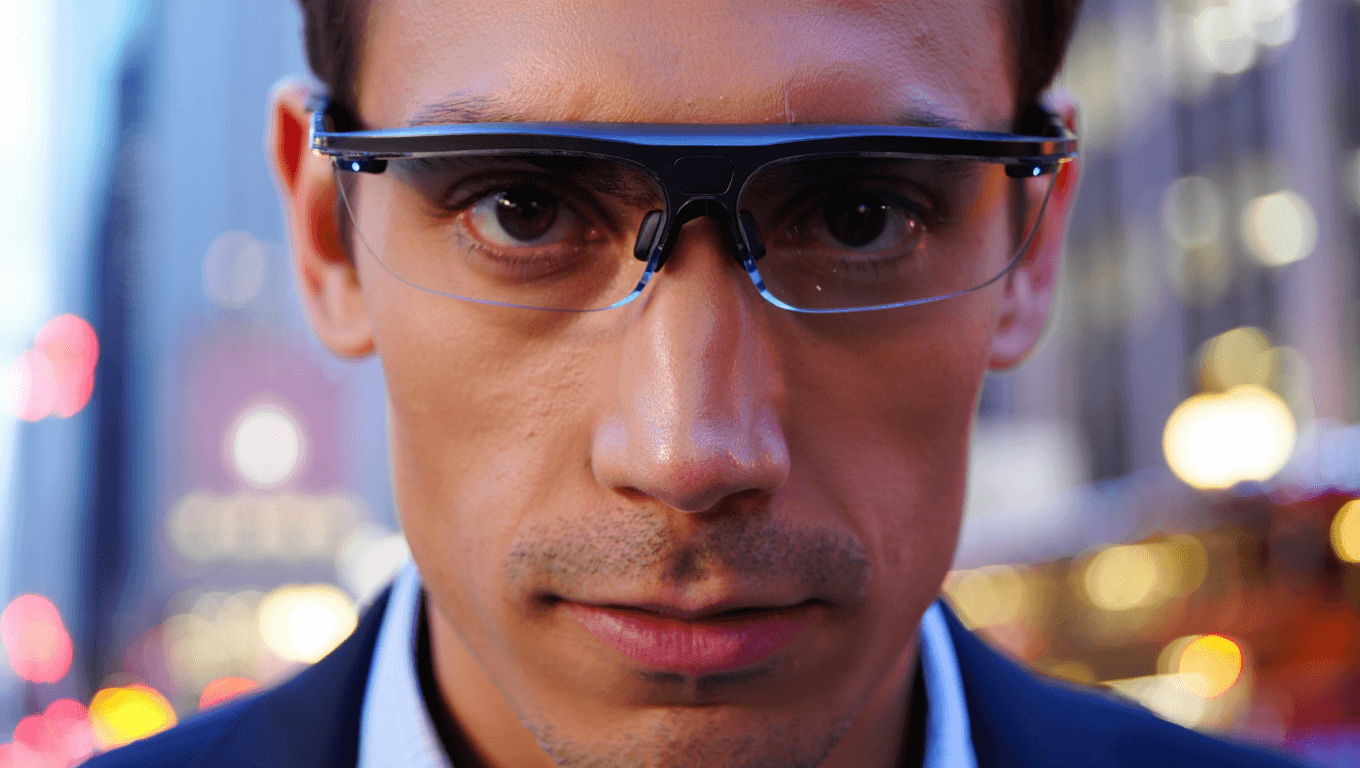
Mosaic believes smart glasses are finally ready for everyday use — not as novelty gadgets but as practical tools for work and daily life. Recent shifts in optics, power management and software ecosystems are giving the company confidence that mass adoption could move beyond early adopters within the next few years.
Why Mosaic thinks the moment has arrived
The argument rests on three converging trends. First, optical systems have shrunk: advances in miniaturized displays and waveguides now permit slimmer frames without sacrificing image quality. Second, processors and sensors are becoming efficient enough to run useful features on the glasses themselves, reducing dependency on bulky phones. Third, software frameworks and developer tools have matured, making it simpler to build apps that take advantage of mixed reality while respecting privacy and battery constraints.
That combination changes the calculus for companies and consumers. Where early smart glasses were weighed down by limited battery life, intrusive cameras or clumsy interfaces, Mosaic points to prototypes and field tests showing multi-hour use cases that are genuinely helpful rather than gimmicky.
Where Mosaic is placing its bets
Rather than chasing a single headline feature, Mosaic is prioritizing real-world workflows. The company is concentrating on three areas:
- Enterprise productivity: hands-free access to instructions, live remote assistance and contextual overlays for complex tasks such as manufacturing or field service.
- Health and safety: surgical visualization aids, rehabilitation support and monitoring tools that augment clinicians without adding procedural risk.
- Everyday utility: glanceable notifications, navigation, and low-distraction information designed for short interactions rather than immersive entertainment.
These use cases reflect a strategic choice: target settings where the value is measurable and the environment tolerates unconventional form factors. In those contexts, enterprises are often willing to pay for hardware and integration — making a path to profitability clearer than relying solely on consumer purchases.
Technical enablers and remaining bottlenecks
Industry progress is real but uneven. Below are the specific technologies Mosaic highlights as decisive, followed by persistent challenges.
- Optics and displays: thinner waveguides and brighter microdisplays improve readability in varied lighting.
- On-device AI: running perception and language models locally reduces latency and preserves privacy.
- Power and thermal design: incremental gains in battery density and heat dissipation extend usable sessions.
- Software ecosystems: mature SDKs and cross-platform tooling speed app development and integration.
Yet hurdles remain. Battery capacity still limits continuous high-power features like video and AR rendering. Integrating effective voice and gesture controls without accidental inputs is an ongoing user-experience challenge. And public concerns about surveillance and data misuse will shape what features are acceptable in consumer markets.
What this means for users, employers and developers
For workers in logistics, maintenance or healthcare, the most immediate effect could be improved efficiency and fewer errors. Employers testing pilot programs may find productivity gains offset device costs, especially where glasses reduce the need for handheld devices or printed manuals.
Developers stand to benefit from clearer APIs and a larger addressable market if enterprise adoption accelerates. That said, successful apps will need to be narrowly focused, fast to learn, and respectful of battery and attention limits.
Regulation, privacy and social acceptance
Technical progress alone won’t guarantee mainstream adoption. Mosaic recognizes that regulatory frameworks and social norms will influence how widely — and how quickly — smart glasses are embraced. Transparency about data handling, options to disable cameras and robust on-device processing will be important selling points.
Businesses and manufacturers that proactively adopt privacy-by-design practices could set industry standards that ease adoption. Conversely, high-profile privacy missteps would slow momentum and invite tighter rules.
Bottom line
Mosaic’s optimism is grounded in tangible advances across optics, compute and software, combined with a pragmatic focus on business use cases where value is immediate. The company’s roadmap does not promise a sudden consumer takeover; instead, it envisions gradual expansion from enterprise settings into everyday life as design, battery and social acceptance improve.
For readers tracking the next phase of wearable tech, the key takeaway is this: smart glasses may be moving out of the lab and into workflows where they do measurable work. That shift could reshape certain industries first, and consumer habits later — provided engineers, policymakers and designers address the practical and ethical hurdles still standing in the way.
Similar Posts
- Agentic payments gain traction: critical gaps threaten rollout and security
- AI Revolutionizes Commerce: Why Companies Are Overhauling Their Pricing Strategies
- Electric Car Road Trip Across America: Expert Planning Tips Revealed!
- Decentralized Social Media: Can It Spark a Revolution in Online Interaction?
- AI, robots and blockchain set to disrupt jobs and investments

A seasoned international trade analyst, Darren deciphers export news, highlighting opportunities and challenges in an ever-changing industry.

