
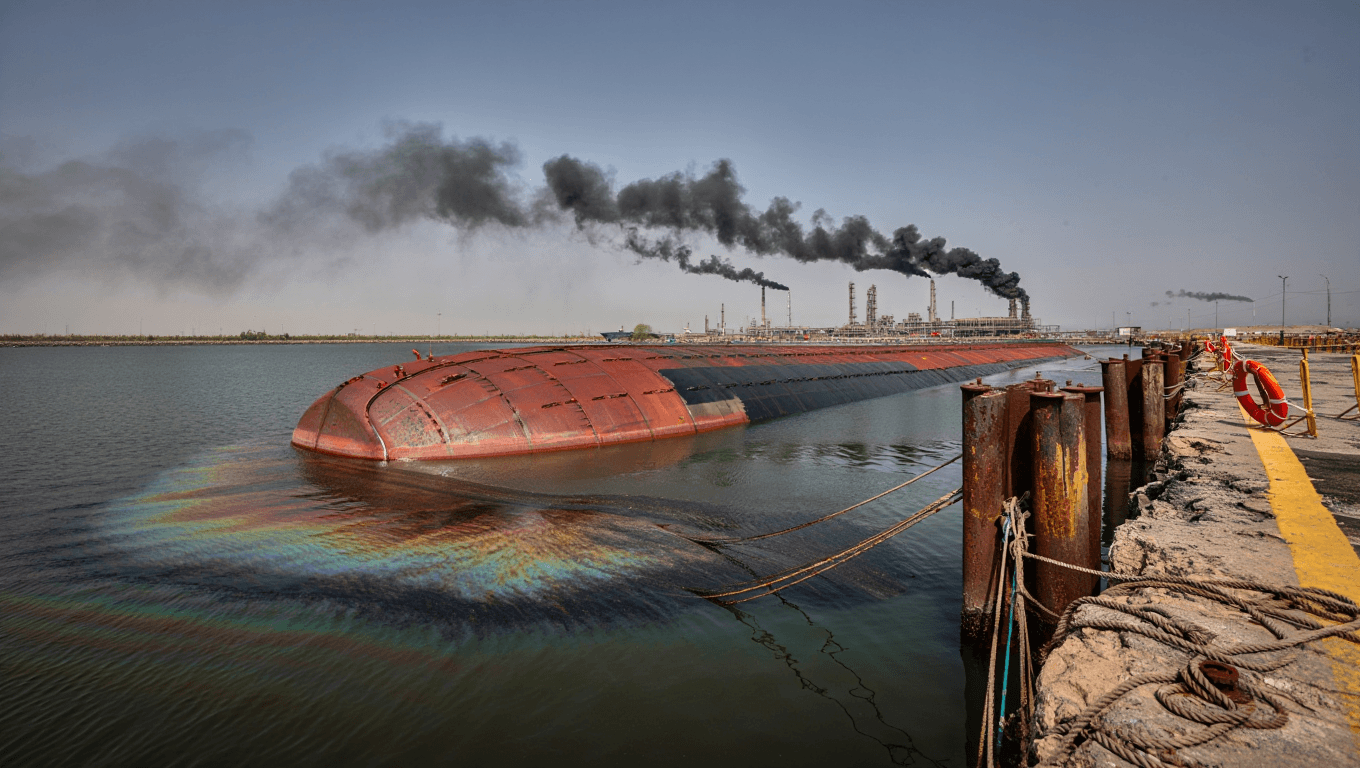
The International Energy Agency says global oil markets are on the cusp of reacting more sharply to the unfolding war-related disruptions — a shift that could translate into higher fuel bills and renewed volatility for consumers and businesses worldwide. The IEA’s latest assessment warns that inventories and spare production capacity may not be enough to insulate markets from further shocks.
IEA signals tighter market as conflict ripples through supply chains
In its newest analysis, the IEA highlights how recent attacks, export constraints and transport disruptions tied to the conflict have eaten into available crude flows and logistical flexibility. Traders are already pricing in increased risk, but the agency suggests that official indicators have not yet fully captured the scale of potential shortages.
That matters now because markets that have traded on a perception of ample global supply may adjust suddenly once detailed shipment interruptions and longer-term sanctions are fully reflected. A rapid repricing would hit refined fuels first — gasoline and diesel — affecting households and industries reliant on road transport and logistics.
Immediate implications for consumers and markets
- Short-term fuel prices: Pump prices could climb quickly if spot crude tightens and refiners face disrupted feedstock deliveries.
- Inflation pressure: Higher fuel costs would feed into transport and freight rates, adding to overall consumer-price momentum in many economies.
- Market volatility: Financial markets may see wider price swings and increased demand for hedging, pushing up oil derivatives’ premiums.
- Policy responses: Governments may tap emergency stockpiles or coordinate releases to calm markets, but such moves have limits.
Why inventories and spare capacity are central
Two buffers typically cushion the market: commercial inventories and spare production capacity among major exporters. The IEA warns both have been eroded by a string of disruptions and stronger-than-expected consumption in recent months.
When those buffers are thin, even moderate additional losses of supply can cause outsized price reactions. That dynamic explains why the agency believes current prices may still understate downside risks — and why traders remain sensitive to every new report on shipment delays, sanctions, or refinery outages.
| Factor | Near-term effect | Medium-term effect |
|---|---|---|
| Further export interruptions | Immediate price spikes and market tightness | Prolonged higher average crude prices |
| Releases from strategic reserves | Temporary price relief | Limited, short-lived impact if disruptions persist |
| Refinery outages | Sharp regional fuel shortages | Shifts in trade flows; higher refining margins |
Which regions and sectors are most exposed
Import-dependent economies in Europe and Asia are particularly vulnerable to higher crude and refined-product bills. Airlines, shipping companies and road-haulage operators face immediate cost pressure, which can be passed on to consumers through higher fares and freight charges.
Emerging markets with large current-account deficits and weak buffers could see sharper economic stress, as energy-import bills widen and currencies come under pressure. Central banks will have to weigh the inflation impact against slowing growth, complicating policy choices.
How quickly prices can move
Markets can reprice in hours when news of a major supply cut breaks, but sustained price shifts depend on how long disruptions last and whether alternative flows can be arranged. Infrastructure constraints, insurance costs and rerouting delays can lengthen recovery times.
In short: a single incident can cause a spike; an extended period of conflict and sanctions can convert a spike into a new, higher price baseline.
The IEA’s warning is a reminder that energy markets remain highly sensitive to geopolitical shocks. For consumers and businesses, the practical takeaway is to expect more volatility in fuel costs in the coming weeks and to monitor official announcements on stockpile releases, sanction developments and refinery statuses.
Similar Posts
- Oil prices hit new highs as markets worry war could drag on
- Oil prices climb on Iran tension fears after Trump’s threat of US strike
- Oil prices slip as fresh diplomacy raises odds of Iran ceasefire
- Diesel price jumps to seasonal record: drivers face bigger fuel bills
- Oil near $100: Iran threatens prolonged closure of the Strait of Hormuz

A logistics expert, Ethan shares tips to optimize supply chains and reduce freight costs in global trade.

