
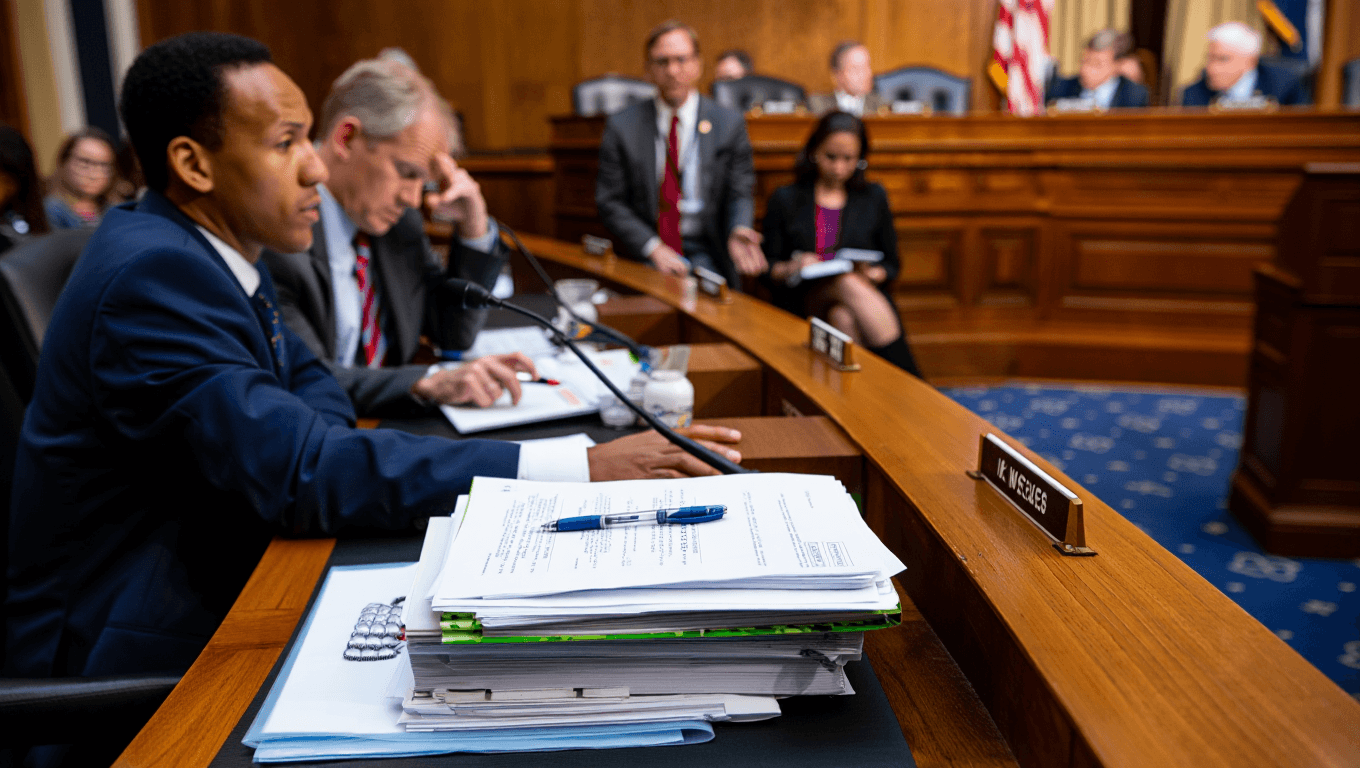
Congress is set to vote this week on a sweeping aviation safety bill that could reshape how airlines, regulators and crews manage maintenance, inspections and fatigue. Supporters say the measure responds to a string of recent safety concerns; opponents warn it could add costs and complexity for carriers already stretched by staffing and schedule pressures.
The House measure bundles several policy changes aimed at strengthening oversight and boosting transparency in the aviation system. Backers frame it as a response to gaps highlighted by recent incidents and regulatory audits, while critics argue Congress should avoid rushed mandates that could ripple into fares and schedules.
What the bill would change
Text circulated by sponsors describes several priority areas. Broadly, the bill would increase federal oversight of airline operations and expand protections for workers who report safety issues. Key elements championed by proponents include:
- Expanded inspection authority — more frequent or targeted inspections of maintenance facilities and aging aircraft fleets.
- Stronger whistleblower protections — legal safeguards and faster remedies for employees who report safety violations.
- Updated fatigue-management rules — new limits and monitoring intended to reduce crew fatigue on long or irregular duty cycles.
- Improved data sharing — requirements for carriers to share safety and maintenance data with regulators to spot systemic risks earlier.
- Increased funding for oversight — additional resources for the federal aviation agency to hire and train inspectors.
Why this matters now
Passengers and industry stakeholders are watching because the bill targets practical vulnerabilities: maintenance backlogs, human factors, and gaps in how safety problems are reported and corrected. Those flaws can affect service reliability as well as risk.
For travelers, the most visible consequences could be fewer last‑minute cancellations and a clearer sense of why inspections or aircraft swaps occur. For airlines, compliance could mean higher near‑term operating costs, changes to scheduling and training, and potential shifts in maintenance practices.
Political dynamics
The vote exposes familiar divides. Lawmakers from districts with large airline operations generally emphasize protecting jobs and avoiding regulatory burdens, while lawmakers who focus on consumer protection and labor rights press for tougher standards. Amendments on the House floor could alter the bill’s scope before a final vote.
Industry groups including airline trade associations are expected to lobby heavily, pressing for implementation timelines that phase in costly requirements. Pilots’ and technicians’ unions and independent safety advocates are pushing for stronger enforcement and transparency provisions.
Next steps and what to watch
If the House approves the bill, it would move to the Senate, where changes are common and timelines can stretch. The following items will determine the measure’s ultimate shape and speed to becoming law:
- Floor amendments in the House that could broaden or narrow mandates.
- Senate committee review and possible rewrite to reconcile competing approaches.
- Budget and staffing language that dictates how quickly regulators can implement new duties.
- Stakeholder responses, including potential legal challenges or negotiated implementation schedules.
At its core, the debate balances immediate safety improvements against costs and operational disruption. Lawmakers and industry leaders will need to show how proposed changes translate into safer skies without unintentionally straining a system already coping with labor shortages and fluctuating demand.
People tracking airline reliability, labor conditions and regulatory reform should watch the House vote count and any floor amendments closely; those signals often reveal the contours of final compromise and the likelihood of quick Senate action.
Bottom line: The vote is a consequential step toward tighter aviation oversight, but its real impact will depend on the amendments that survive the House floor, the Senate’s willingness to act, and how regulators implement new requirements if the bill becomes law.
Similar Posts
- New House Bill targets ‘chameleon carriers’ to enhance vehicle registration security: what you need to know
- House committee moves forward with crucial auto safety legislation: What it means for drivers
- House gears up to advance WRDA and highway legislation as shutdown negotiations intensify
- Cargo theft prevention bill wins House approval: CORCA measure advances
- House committee pushes forward legislation to enhance electric car door safety standards

A logistics expert, Ethan shares tips to optimize supply chains and reduce freight costs in global trade.

