
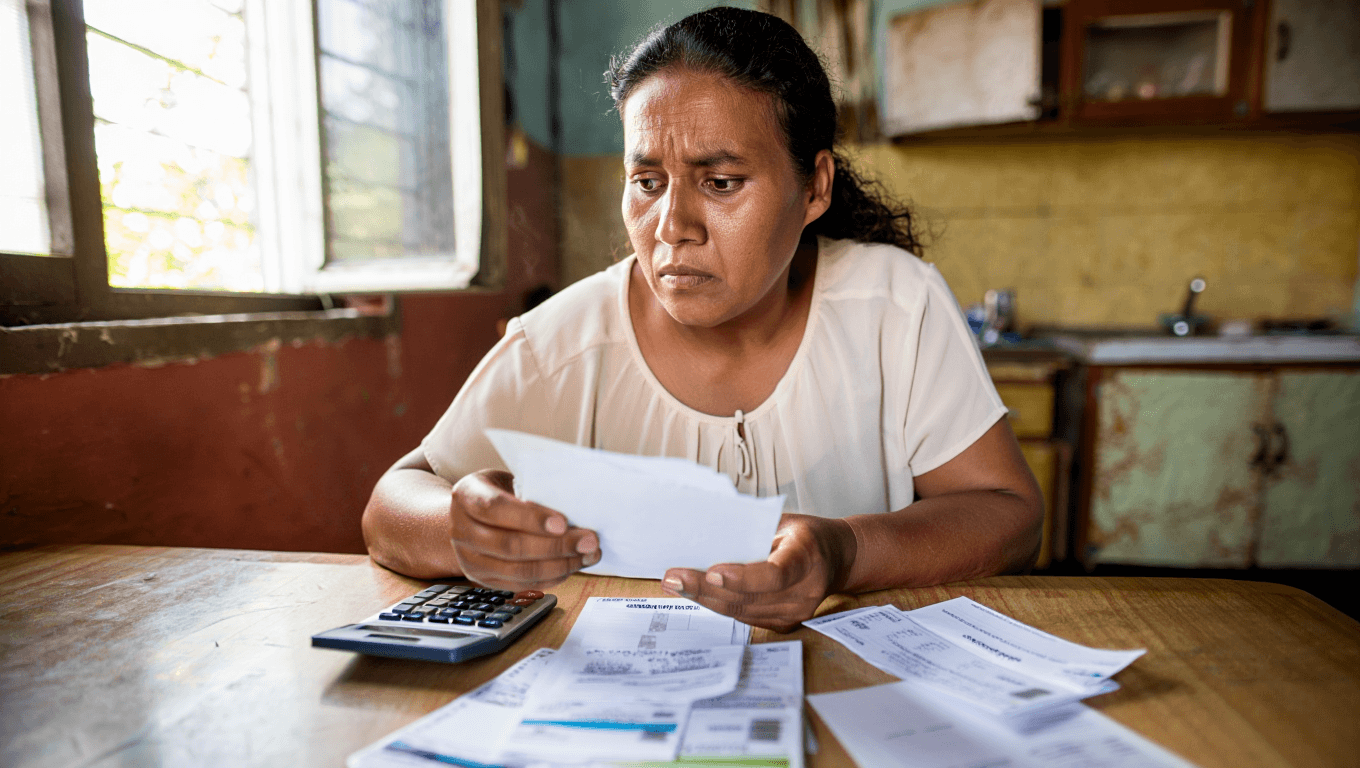
How confident are you handling everyday money decisions? With inflation still affecting household budgets, higher borrowing costs and ongoing wage pressure, basic financial know-how has immediate consequences for monthly finances and long-term security.
Take the quick money literacy check
Below are 10 short questions that test core concepts—from saving and credit to investing and taxes. Try to answer them without looking anything up. Scroll down for clear explanations and a simple scoring table that tells you what to focus on next.
-
You want a cash cushion for unexpected expenses. Which is the most useful rule of thumb?
- A. Keep three to six months of living expenses in an accessible account
- B. Invest everything to chase higher returns
- C. Keep cash at home to avoid bank fees
- D. Only save after paying off all debt
-
Your credit card statement shows a balance and a minimum payment. What happens if you pay only the minimum every month?
- A. Your balance will never change
- B. You’ll pay off the card faster
- C. You’ll likely pay much more in interest over time
- D. Your credit score improves immediately
-
Which best describes compound interest?
- A. Interest calculated only on the original principal
- B. Interest earned on both principal and previously earned interest
- C. A fee banks charge for passive accounts
- D. Interest that compounds once per decade
-
Inflation means:
- A. Prices fall so your money buys more
- B. Prices rise and purchasing power declines
- C. Interest rates are always low
- D. Taxes automatically decrease
-
Which move can improve your long-term retirement savings most efficiently?
- A. Contributing to an employer-sponsored retirement plan, especially if there’s a match
- B. Keeping all savings in a checking account
- C. Trading frequently to beat the market
- D. Avoiding any tax-advantaged accounts
-
Diversification in investing means:
- A. Putting all money into one promising stock
- B. Spreading investments across different assets to reduce risk
- C. Only buying bonds
- D. Holding cash only
-
A credit score influences:
- A. Only your social media accounts
- B. The interest rate you pay on loans and your access to credit
- C. Whether you can open a bank account
- D. Your salary
-
Which is an example of an APR (annual percentage rate)?
- A. The yearly cost of borrowing shown as a percentage, including fees
- B. The monthly bank branch opening hours
- C. The rate your employer uses to calculate taxes
- D. A one-time fee for closing an account
-
If you have high-interest debt and limited savings, a generally sound priority is to:
- A. Build a small emergency fund while paying extra on the high-interest debt
- B. Stop paying anything until the debt collector calls
- C. Put everything into speculative investments
- D. Ignore both and hope for the best
-
Tax-advantaged accounts such as a 401(k) or IRA are important because:
- A. They can reduce taxable income now or let investments grow tax-deferred
- B. They guarantee a market-beating return
- C. They are completely tax-free in all cases
- D. Only wealthy people are allowed to use them
Answers and quick explanations
Check your answers below. Each explanation is short and practical—designed for readers who want to use what they learn right away.
- A — Keeping three to six months of living expenses in a liquid account provides a buffer against lost income or unexpected costs. Timing and amount can vary by job stability and household needs.
- C — Paying only the minimum prolongs repayment and increases interest paid. It can also signal credit utilization that may affect your score over time.
- B — Compound interest means earnings generate additional earnings, which accelerates growth the longer you leave money invested.
- B — Inflation erodes purchasing power: the same amount of money buys less as prices rise. That’s why saving and investing strategies must consider inflation.
- A — Employer-sponsored plans with matching contributions are effectively instant returns. Contributing early and regularly takes advantage of compound growth and tax benefits.
- B — Spreading money across asset classes (stocks, bonds, cash) and sectors helps smooth returns and reduce the impact of a single loss.
- B — Lenders use your credit score to assess risk; a higher score typically means lower borrowing costs and easier loan approval.
- A — APR represents the annual cost of credit, combining interest and certain fees. Comparing APRs helps evaluate loan offers.
- A — For most people, a hybrid approach—small emergency fund plus targeted extra payments on high-interest debt—reduces financial fragility and overall interest costs.
- A — Tax-advantaged accounts lower the drag of taxes on long-term growth, either now (tax deductions) or later (tax-free withdrawals depending on account type).
| Correct answers | What it suggests | Recommended next step |
|---|---|---|
| 0–3 | Basic concepts need attention | Start with a small emergency fund and read plain-language guides on budgeting and credit |
| 4–6 | Some fundamentals understood, gaps remain | Create a monthly budget, reduce high-interest debt, and automate savings |
| 7–8 | Solid grasp of core ideas | Focus on long-term investing, retirement accounts, and optimizing borrowing costs |
| 9–10 | Strong financial foundation | Refine tax strategies, diversify investments and review estate basics |
Quick, practical moves you can make today
- Build a starter emergency fund — even $500–$1,000 reduces the need to borrow for common shocks.
- Automate savings — set up recurring transfers so saving happens without repeated decisions.
- Target high-cost debt — pay extra on credit cards or payday loans before investing aggressively.
- Use employer matches — contribute at least enough to get the full company match in retirement plans.
- Check your credit report — errors are common; correcting them can improve borrowing terms.
Financial knowledge is not an abstract virtue—it’s a tool that affects rent, loan payments, retirement outcomes and resilience in a volatile economy. Small, consistent steps often produce bigger benefits than rare big bets. If you scored below your goal, pick one recommendation above and act this week; the compounding effects begin with the first move.
Similar Posts
- Simplify your finances in 2026: discover six quick strategies to take control today
- Fed signals final rate cut in 2025: Here’s how it could impact your finances
- Black HENRYs: 6 financial moves to boost your net worth
- Credit card debt knocks out dating prospects for 1 in 6 Americans: survey
- Unlock Financial Success: Top Secrets for New Year’s Resolutions That Work!

An expert in international finance, Jessica provides actionable advice to secure export transactions and minimize financial risks.

