
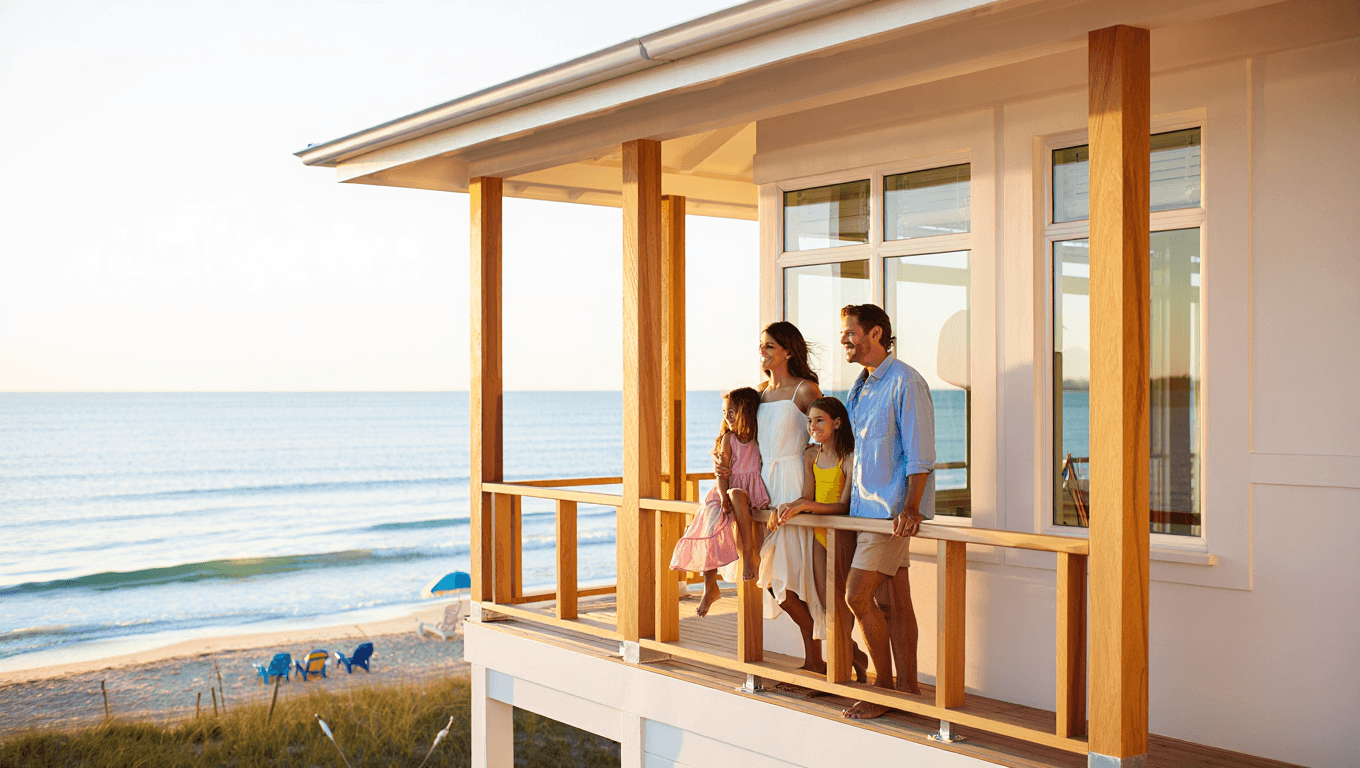
When a family in Nags Head, North Carolina, tore down an eclectic beach cottage and started over, their brief was simple but exacting: build new without announcing it. The result — a 2,030-square-foot house that reads like a longtime neighbor — points to a growing emphasis on durability and low‑maintenance finishes for seasonal homes, especially where sand, salt and generations of guests shape how a property is used.
How the team made new feel familiar
The project team, led by Arianna Pannoni and Kasey Bedford of Winsome Interior Design with kitchen work by Tanya Smith‑Shiflett of Unique Kitchens & Baths, relied on a handful of design strategies to manufacture that sense of history. Rather than reproducing antiques, they used construction details and materials that develop character over time — a practical choice for a coastal house that will see wet towels, sandy feet and loud summer gatherings.
Small programmatic changes also mattered. An underused closet beside the kitchen was transformed into a compact coffee bar disguised as an original built‑in. A portion of the wraparound deck was sacrificed to expand the interior dining nook so a single table can now seat a dozen people during peak season.
- Patina-friendly finishes: unlacquered brass hardware and fittings selected to age gracefully.
- Painted wood floors: a durable blue surface that hides wear and can be refreshed spot-by-spot.
- Period-inspired millwork: v‑groove paneling and planked walls to suggest older construction details.
- Built-ins and unexpected storage: replaced conventional closets in bedrooms with case goods and integrated storage.
- Two-tone cabinetry: furniture-like kitchen island and open shelving for a lived-in look.
Kitchen and gathering spaces
The kitchen blends modern performance with a vintage sensibility. Cabinets in two complementary tones and a rounded, furniture-style island create an approachable center for mornings and post‑beach snacks. Designers balanced open shelving for easy access with closed cupboards for concealment, then chose fixtures meant to soften with time rather than stay sterile.
Practical touches are discreet: the coffee bar hides a small fridge and freezer in drawers, and a Newport Brasstap supplies filtered hot and cold water. Those choices keep everyday comfort from appearing overtly contemporary.
Floors, walls and the feeling of age
Painted wood floors in a coastal blue cover most of the footprint. Bedford notes that painted floors are traditional in seaside homes because they tolerate sand, salt and touch-ups better than raw hardwood — a functional reason that also lends visual continuity across rooms.
V‑groove paneling appears in public spaces and bathrooms, while planked walls dress the powder room. These elements were chosen not as literal antiques but as architectural shorthand that signals time and use.
Sleeping arrangements for a family house
The team rethought closets: four bedrooms forgo built-in wardrobes in favor of freestanding furniture and bespoke storage nooks. “On the Outer Banks you live in swimwear much of the time,” Pannoni explains, so the priority was to provide places to tuck suitcases and beach gear rather than expansive hanging space.
One bedroom features a canopy bed upholstered in layered fabrics from Lake August and Schumacher; another guest room breaks the blue-and-white scheme with leafy wallpaper and trim in Farrow & Ball Yeabridge Green. The bunk room uses side‑by‑side built-ins that reference sailors’ quarters but feel polished and playful rather than twee.
Rooms that invite lingering
The living area orients toward the coast: seating is intentionally varied so the room feels collected rather than showroom-perfect. Layers of texture and pattern make the space inviting for multiple generations — a design choice that encourages guests to settle in without worrying about formality.
Nearby, the dining nook — a late addition — capitalizes on one of the best views in the house. U-shaped bench seating creates an intimate but spacious spot where a large table can host extended family meals.
Bathrooms and details
Bathrooms mix nostalgia and utility: cafe curtains with pictorial motifs, a wallpapered ceiling in the primary bath and vintage‑style lanterns in the powder room all add character while materials were selected for longevity. The overall palette and surfaces favor items that acquire a softer appearance rather than showing wear starkly.
Small artworks and handcrafted objects, such as a piece by Mary Maguire in the hallway, punctuate circulation spaces and reinforce the curated-but-accumulated aesthetic.
Why this matters for homeowners and buyers
For owners of coastal properties, the lessons here are practical. Choosing finishes that tolerate sand and salt, prioritizing adaptable storage over formal closets, and designing social spaces that accommodate groups are decisions that improve usability and resale appeal.
As more families seek durable, low‑maintenance vacation homes that still feel personal, projects like this offer a blueprint: combine thoughtful materials, modest architectural gestures and a restrained palette to create a house that already feels like home.
Similar Posts
- Delaware beach house boasts dual gourmet kitchens: inside the upscale seaside escape
- Historic 1920s kitchen refreshed without demolition: budget-friendly tweaks deliver big impact
- Utah family retreat becomes a showcase for modern mountain architecture
- Frank Lloyd Wright-inspired Los Angeles home evokes golden-age Hollywood
- Marble anchors Rhode Island remodel: bold stone sets new interior trend

A champion of quality and authenticity, Emily delves into Australian-made products and their impact on global markets. With a focus on sustainability, she helps readers understand why these goods are leading the trade world.

