
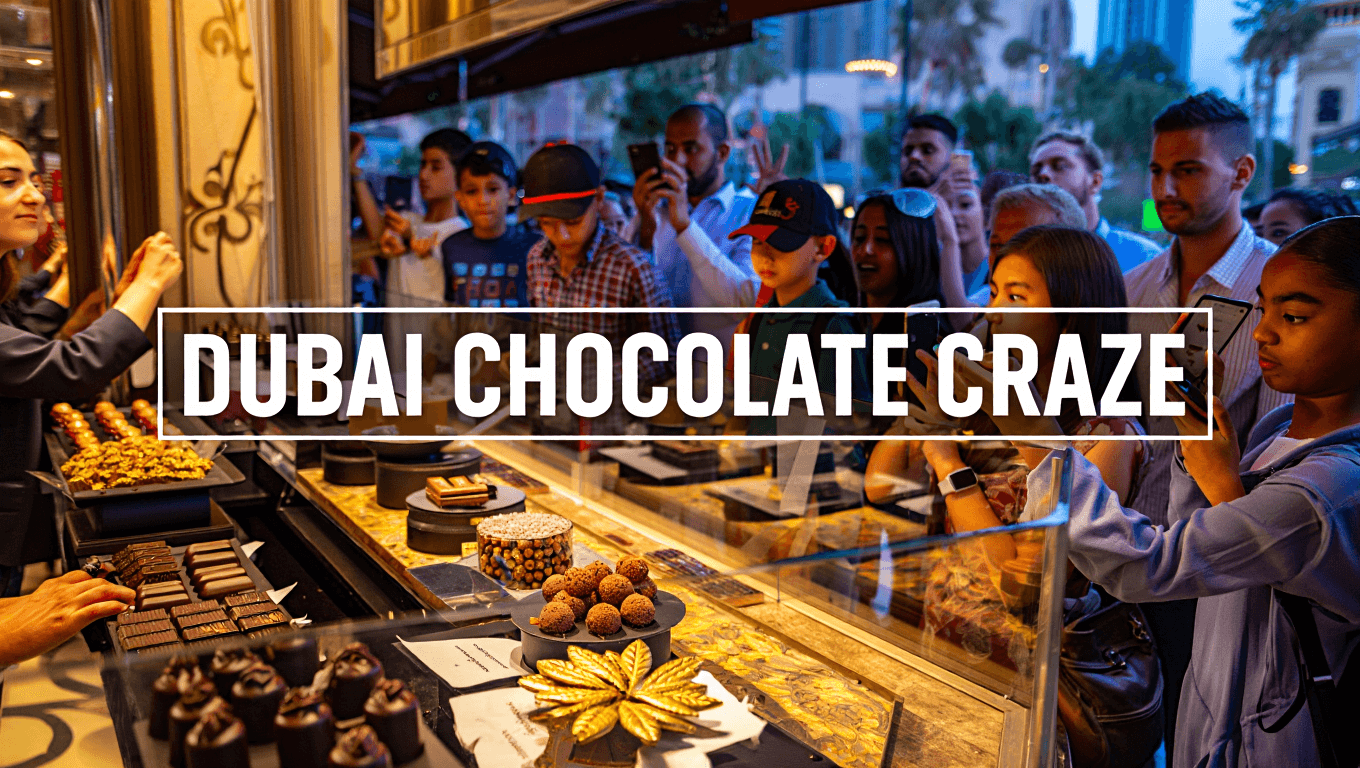
Dubai’s artisanal chocolate offerings have quietly become one of the city’s more visible food trends, showing up in social feeds, travel itineraries and storefront windows alike. That surge of attention matters now because it is shifting how retailers, visitors and producers think about luxury food experiences—and it could reshape supply and pricing in the months ahead.
How the trend gained traction
What began as a handful of boutique chocolatiers and high-end hotel collaborations has been amplified by short-form video and lifestyle coverage, turning signature bars and elaborate displays into shareable moments. The pattern is familiar: visually striking products spread fast on platforms where discovery and impulse meet.
For consumers, the appeal is aesthetic and experiential as much as gustatory—packaging, provenance stories and limited drops raise the cultural value of a product beyond taste alone.
Immediate effects on retail and travel
Retailers in major shopping destinations are responding with curated sections, pop-ups and exclusive editions aimed at both local buyers and tourists. That translates into crowded displays and, in some locations, temporary sell-outs—signals that demand is outpacing supply in certain categories.
Travelers encounter these items in airports and malls, where confectionery can function as a high-margin souvenir. For bricks-and-mortar sellers, that creates an opportunity to capture impulse purchases; for online merchants, it prompts faster restocks and occasional shipping constraints.
Supply, sustainability and quality pressures
The sudden spotlight raises practical challenges. Sourcing premium cocoa and managing logistics during peak seasons can strain smaller producers, while rapid expansion risks diluting product quality or pushing manufacturers toward cheaper inputs.
At the same time, shoppers are increasingly attentive to ethical and environmental claims. Labels and origins that once played a background role are becoming central to buying decisions, adding another dimension to producers’ operational choices.
- Price volatility: Limited runs and high demand can push retail prices higher, at least temporarily.
- Collaborations: Expect more cross-brand releases—hotels, designers and chocolatiers teaming up to create exclusive lines.
- Supply chain strain: Small-scale makers may struggle to keep up without scaling production or changing suppliers.
- Regulatory scrutiny: Claims about origin, ingredients or sustainability could draw closer inspection.
- Authenticity risks: The allure of exclusivity can invite knock-offs or misleading packaging in secondary markets.
What to watch next
In the coming months, the trend is likely to branch in two directions: deepening niche craftsmanship for connoisseurs, and broader commercialization that targets mass-market travelers. Both paths carry consequences—one preserves artisanal practices but limits reach; the other expands availability while challenging quality control.
For readers, the takeaway is practical: if you’re buying as a souvenir or gift, check labels and ask about production methods; if you’re a retailer or producer, prioritize transparent sourcing and consider how seasonal demand will affect operations.
Ultimately, Dubai’s chocolate moment highlights a larger shift in how culinary products become cultural phenomena: visual appeal drives discovery, but long-term staying power depends on consistent quality, responsible sourcing and the ability to scale without compromising the story that made the product worth talking about in the first place.
Similar Posts
- Dubai’s Chocolate Craze Explained: How WGSN Forecasted Your New Favorite Treat!
- Transparency trends shaping industries amid rising customer skepticism: What you need to know
- Discover Dark Chocolate’s Unexpected Health Perk: You Won’t Believe This Benefit!
- Retail future in Asia reshapes shopping: inside the tech-fueled stores changing everything
- Backyard game sold for seven figures: weekend hobby turns into lucrative acquisition

An expert in global markets, Sophia analyzes trends and innovations shaping the future of export. Her strategic insights help businesses stay ahead of the curve.

